How to Get New Cryptocurrencies Listed on Binance and Use the Exchange Effectively

For cryptocurrency project teams and investors alike, getting a new token listed on Binance is often seen as a major milestone. Binance is one of the most liquid and widely used exchanges in the world, and being listed there can significantly boost a token’s visibility, credibility, and trading volume. However, many people are unsure about the exact process of how a new coin gets listed, as well as how to use Binance effectively once the listing happens. This article breaks down both aspects in clear terms.
First, let’s look at how a new cryptocurrency can get listed on Binance. Binance has a formal application process for token issuers. The exchange evaluates projects based on several key criteria: the quality of the project team, the innovation of the technology, the token’s utility, community size, and overall market demand. Project teams typically need to submit a detailed application through Binance’s official channel, including a whitepaper, technical documentation, and legal compliance information. It’s important to note that Binance also has a community voting mechanism called “Binance Launchpool” and “Binance Listing Candidates,” where users can vote for their favorite projects. However, the final listing decision always rests with the exchange’s internal review team.
Listing is not free. There are significant costs involved, including application fees and, sometimes, market-making fees. Additionally, the project must ensure its smart contract is secure and audited. After a token is listed, Binance often requires the project to lock a certain amount of tokens to ensure market stability. For smaller projects, getting listed directly on Binance can be extremely challenging. Many choose to first list on smaller decentralized exchanges (DEXs) or other centralized exchanges like MEXC or KuCoin to build volume and reputation before applying to Binance.
Now, let’s discuss how to use Binance effectively, especially when trading a newly listed token. Once a token is live on Binance, you need a funded Binance account. If you don’t have one, you must register, complete identity verification (KYC), and deposit funds—either cryptocurrency or fiat currency like USD or EUR. After logging in, go to the “Markets” section and search for the new token’s trading pair, such as “XYZ/USDT.” It is common for newly listed tokens to experience high volatility. The price can surge immediately after listing due to hype and then correct sharply. Therefore, it is crucial to use limit orders instead of market orders to control your entry and exit prices.
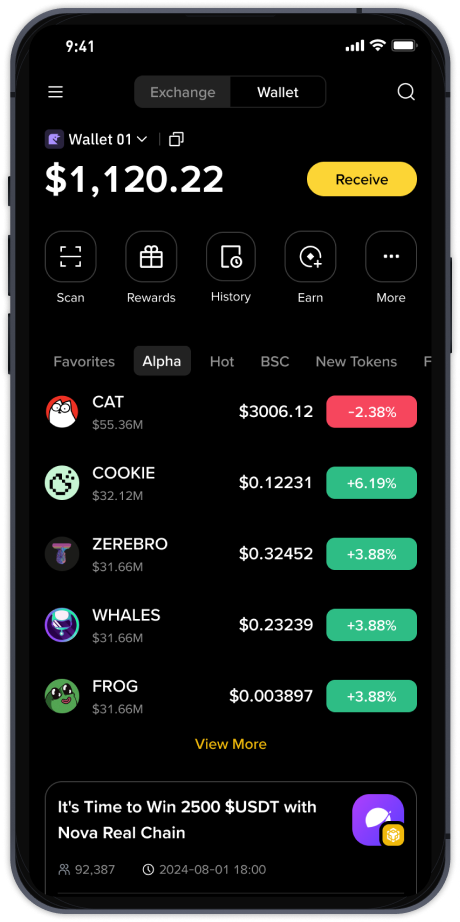
Another useful feature on Binance is the “New Listings” section, which you can find under the “Trade” menu. This area highlights the most recent tokens added to the platform. You can also set price alerts for these tokens so you are notified when the price moves to a certain level. Additionally, Binance offers a “Spot” trading interface and a “Futures” interface. For beginners, it is strongly recommended to only use the Spot market when trading a newly listed coin. Futures trading involves leverage and carries significant risk, especially with a volatile new token.
Finally, always do your own research before buying any new token on Binance. A listing on Binance does not guarantee that the token will increase in value. Many tokens drop after the initial excitement fades. Use Binance’s built-in tools, such as the order book, trading volume charts, and the candlestick chart, to analyze market sentiment. Never invest more than you can afford to lose. Binance also provides an educational section called “Binance Academy” where you can learn more about trading strategies and risk management.
In summary, getting a new coin listed on Binance is a structured but demanding process that requires a strong project foundation and financial resources. For users, trading these new assets on Binance offers opportunities but also requires careful planning. By understanding both the listing path and the trading tools available, you can navigate the Binance ecosystem with greater confidence.