Binance Cloud Exchange: What It Is and How to Use It for Crypto Trading

Binance Cloud Exchange is a white-label platform solution provided by Binance, one of the world’s largest cryptocurrency exchanges. It allows businesses and entrepreneurs to launch their own branded digital asset trading platforms using Binance’s underlying technology, liquidity, and security infrastructure. Essentially, it enables third parties to offer a fully functional crypto exchange without building the technology from scratch. The core question for many traders is not just “What is Binance Cloud Exchange?” but “How do I use it effectively?” This article will address both points.
First, understanding the structure is important. A Binance Cloud Exchange is not a single website like Binance.com; instead, it is a framework used by separate entities. For example, a company in Asia might create “TradeX Asia” using Binance Cloud, while another in Europe launches “CryptoHub EU” on the same system. Each exchange has its own brand, user base, and regulatory compliance, but the core backend—including order matching, wallet management, and market data—is powered by Binance. This means users get access to deep liquidity (often pooled from Binance’s own books) and robust security measures like multi-tier system architecture and cold storage.
Now, how do you actually use a Binance Cloud Exchange? The process is very similar to using Binance itself, but you first need to locate an exchange that is built on this cloud. You will not log into Binance Cloud directly; you will register on a specific partner exchange. Once you find one (often marketed as “powered by Binance Cloud”), the steps are straightforward. First, sign up by providing your email or mobile number and completing identity verification (KYC), which is typically required for trading. Second, deposit funds. Most cloud exchanges support deposits in major cryptocurrencies like Bitcoin, Ethereum, or USDT. Some also accept fiat deposits via bank transfers or card payments, depending on the partner’s setup.
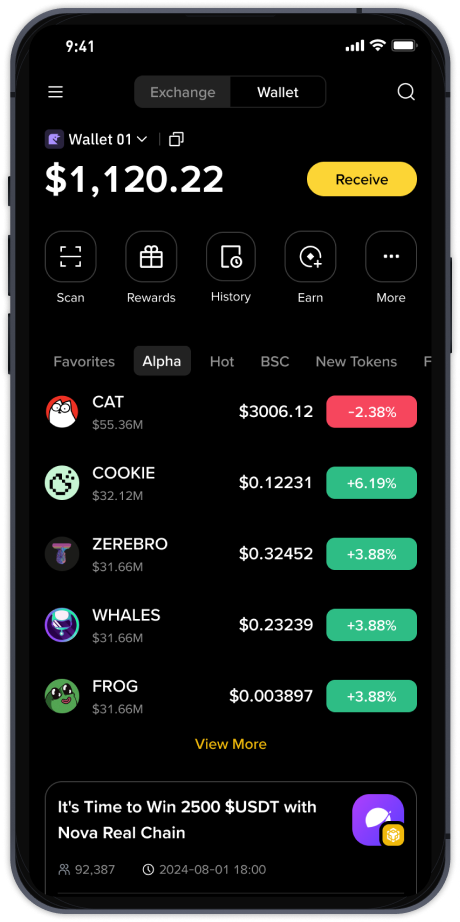
After funding your account, you can start trading. The interface usually mirrors Binance’s design: you will see a spot trading page with a price chart, order book, and trading pairs. To trade, select a pair (e.g., BTC/USDT), choose your order type (market, limit, or stop-limit), enter the amount, and confirm. The speed and execution are largely identical to Binance, as the cloud platform shares the same matching engine. Additionally, you can use features like margin trading, futures, or staking, but these depend on the specific cloud exchange’s offerings. Many cloud exchanges also provide a mobile app that replicates Binance’s user experience.
Security and controls are a key part of using these exchanges. Since each cloud exchange is independently operated, you should review its specific security settings. Typically, you can enable two-factor authentication (2FA), set withdrawal whitelists, and monitor account activity through the exchange’s dashboard. It is also wise to check if the exchange has its own customer support team, as Binance does not handle user issues for cloud partners directly. For advanced users, the API functions available on Binance Cloud are usually compatible, allowing you to connect trading bots or portfolio trackers seamlessly.
One common use case for traders is leveraging the liquidity of Binance Cloud exchanges. Because these platforms can pull order books from Binance, smaller exchanges often have surprisingly competitive spreads and depth. This makes them suitable for both high-frequency trading and large orders. Furthermore, some cloud exchanges offer lower fees or unique token listings that are not available on Binance itself, adding another layer of opportunity. However, always verify the exchange’s reputation and user reviews before depositing significant funds, as the operator (not Binance) is responsible for your assets.
In summary, Binance Cloud Exchange is a powerful tool for launching new trading platforms, but from a user perspective, it functions as a fully independent exchange with Binance-quality technology. To use it effectively, find a trusted partner exchange, complete registration and verification, deposit funds, and trade using the familiar Binance interface. Just remember that your safety depends on the specific cloud exchange’s policies. With the right approach, you can tap into a global network of Binance-powered trading environments that offer speed, liquidity, and a wide range of assets.