How to Use Binance Crypto Exchange: A Beginner’s Complete Guide to Trading on the Blockchain

Binance is one of the largest and most popular cryptocurrency exchanges in the world, offering a wide range of blockchain-based assets, trading pairs, and financial services. If you are new to the platform, understanding how to use Binance can feel overwhelming at first. However, with a step-by-step approach, you can quickly grasp the basics and start trading securely. This guide will walk you through the essential steps to use Binance effectively as a blockchain exchange.
Step 1: Create and Secure Your Binance Account
The first step to using Binance is creating an account. Visit the official Binance website or download the mobile app. Click on “Register” and enter your email address or phone number. You will need to set a strong password and complete a basic verification process. After registration, Binance will send a confirmation code to your email or phone. Once verified, it is highly recommended to enable two-factor authentication (2FA) using Google Authenticator or SMS. This adds an extra layer of security to protect your funds from unauthorized access, especially when dealing with blockchain transactions.
Step 2: Complete Identity Verification (KYC)
Binance requires users to complete Know Your Customer (KYC) verification to comply with global regulations. This process involves uploading a government-issued ID (such as a passport or driver’s license) and taking a selfie for face verification. Depending on your region, the verification may take from a few minutes to a few days. Without completing KYC, your withdrawal limits and trading features will be restricted. For full access to all Binance services, including higher withdrawal limits and fiat currency support, finishing KYC is essential.
Step 3: Deposit Funds into Your Binance Wallet
Before you can trade, you need to add funds. Binance supports multiple deposit methods. You can deposit cryptocurrencies from another wallet using the blockchain network. Go to “Wallet” and select “Deposit.” Choose the cryptocurrency you want to deposit, and Binance will generate a unique deposit address. Make sure you select the correct blockchain network (e.g., BEP-20 for Binance Smart Chain, ERC-20 for Ethereum) to avoid losing funds. Alternatively, you can buy crypto directly using a bank transfer or credit card through the “Buy Crypto” feature, which supports fiat currencies like USD, EUR, and GBP.
Step 4: Navigate the Binance Trading Interface
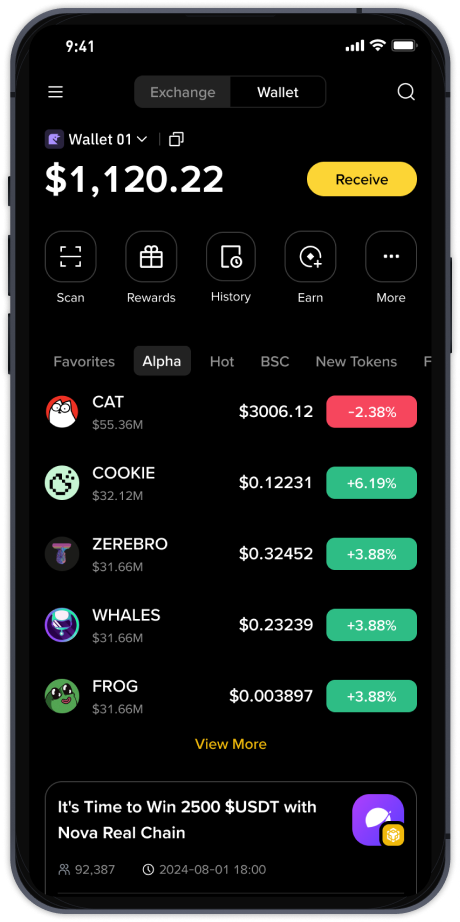
Binance offers several trading options, including the classic “Exchange” view and the more advanced “Pro” interface. For beginners, the “Lite” mode is recommended because it simplifies the trading process. In the trading interface, you will see a chart showing price movements, order books, and the trading pairs available. You can choose a trading pair like BTC/USDT (Bitcoin to Tether) to start. There are two main order types: “Market Order” (buy/sell immediately at the current price) and “Limit Order” (set a specific price at which you want to buy or sell). Place your order by entering the amount and clicking the buy or sell button.
Step 5: Understand Blockchain Deposits and Withdrawals
One of the core features of Binance is its deep integration with blockchain technology. When you deposit or withdraw cryptocurrencies, you are sending transactions across a blockchain network. Each network (Bitcoin, Ethereum, Binance Smart Chain, etc.) has different fees and confirmation times. Always double-check the network you are using. For example, sending USDT on the TRC-20 network is faster and cheaper than on ERC-20. Binance clearly labels which network you are using. If you withdraw funds to an external wallet, you must ensure that the receiving address supports the same blockchain network. Incorrect network selection can result in permanent loss of funds.
Step 6: Explore Advanced Features Like Earn and Staking
Beyond simple trading, Binance offers blockchain-based earning opportunities. You can use the “Earn” section to stake cryptocurrencies, participate in savings accounts, or engage in liquidity farming. Staking involves locking your coins to support the operations of a blockchain network (like Ethereum 2.0 or BNB) and earning rewards in return. Binance also offers flexible and locked staking options. Additionally, the “Launchpad” feature allows you to participate in new blockchain projects by holding BNB tokens. These features can help you generate passive income while holding crypto assets.
Step 7: Security Best Practices for Using Binance
Security is critical when using any blockchain exchange. Always use a unique, strong password and enable 2FA. Avoid clicking on suspicious links or giving away your login credentials. Binance also provides an anti-phishing code feature and withdrawal whitelist. The withdrawal whitelist ensures that funds can only be sent to addresses you have previously approved. For large amounts of crypto, consider using a hardware wallet (cold storage) instead of keeping everything on the exchange. Regularly review your account activity and enable email notifications for withdrawals. By following these steps, you can safely navigate the Binance platform and take full advantage of blockchain technology for trading and earning.